
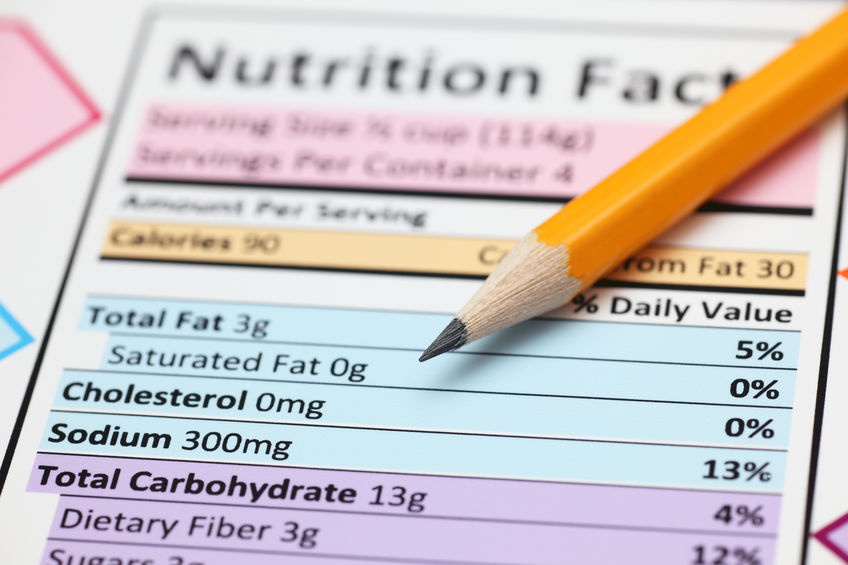
 Sodium is the next perpetrator on the list that must be taken into consideration when evaluating a nutrition label. A lot of products are loaded with sodium, however there are often lower-sodium alternatives located closely to your favorite products! A “high” amount of sodium would be considered anything over 140mg of sodium. If something is “low sodium” it is less than 140mg, “very low sodium” would be less than 40mg, and “salt/sodium free” would be anything less than 5mg (FDA). Your body only requires 186mg of sodium every day to function properly, but exceeding anything more than 2,300mg in a day could have serious physical impacts on your health including adversely affecting one’s blood pressure and raising the risk of heart disease (Healthline).
Understanding what fats come from where and how much your body needs can drastically aid the average person in reaching their fitness, dietary, or health goals. Unsaturated fats or “good fats” are usually found within certain natural foods such as avocados, nuts, and seeds! It usually isn’t easy to go overboard on these, as unsaturated fats are usually recommended for healthy hair, skin, and nails and have the tendency to keep one full for a long period of time. Saturated fats are fats usually found in fatty animal products, and can be detrimental to overall health as they raise cholesterol levels and increases the risk of cardiovascular disease (Mayo Clinic). Trans fat are naturally occurring fats that are usually found in small amounts (Mayo Clinic). A typical trans fat would be that of vegetable oils such as olive oil, coconut oil, and canola oil. Again, the general rule of thumb is to avoid it when not plant-derived, and always consume in small amounts!
Ideally, carbohydrates should amount to about 40 to 65 percent of your daily caloric intake (Healthline). Carbohydrates are your bodies main source of energy, as it gets broken down into glucose and becomes the fastest and easiest to use. Carbs can be good or bad however, like most things. The difference between a complex carb and a simple carb is the difference between efficient fuel and empty calories. Simple carbs are such things like white bread, potato chips, cereal, and soda. While a complex carbs provides complex nutrition such as rice, beans, fruits, veggies, whole-wheat pasta, and oatmeal! Knowing what kinds of carbohydrates you are consuming is the fundamental basis towards understanding proper nutrition.
We discussed serving size, ingredient list, sugar, sodium, fat, and carbs. After reading this two-part post you should now be more familiarized with knowing what a “healthy diet” truly consists of! If you have any further questions about your health, do not hesitate to reach out and schedule a free appointment with one of our Registered Dieticians at a HealthNet location nearest to you.
Posted by: Emily Jump, Marketing and Communications Intern





Comments are closed.